

In the current interconnected economy, businesses are continually seeking creative ways to optimize operations, minimize costs, and enhance their market position. One model that has gained substantial traction is the Free Trade Warehousing Zone. These zones serve as key hubs where goods can be kept, processed, and distributed without the constraints of standard customs duties and tariffs. As global commerce continues to expand, understanding the mechanics of FTWZ becomes crucial for import and export companies, e-commerce businesses, and logistics providers.
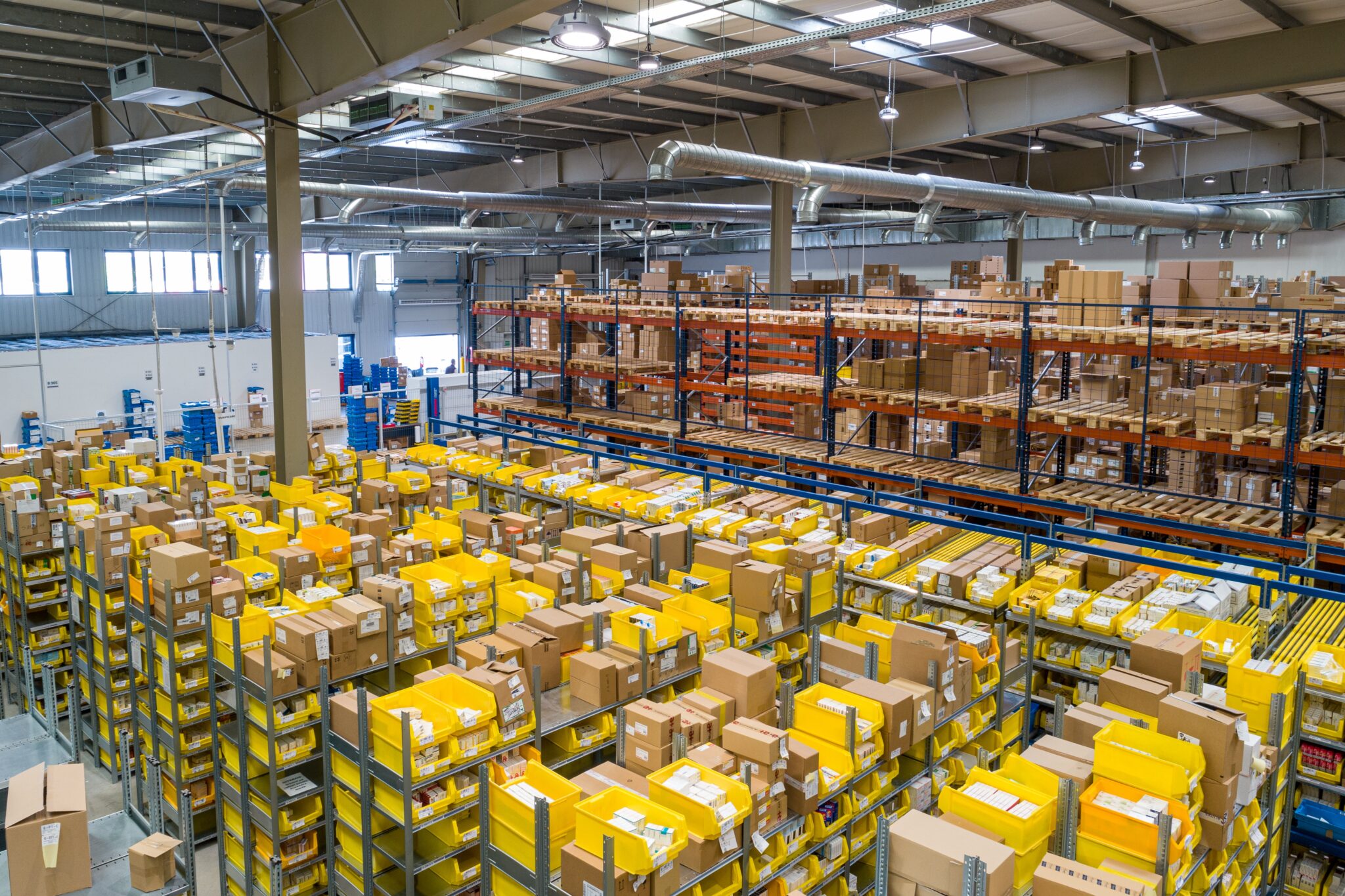
This article explores the various opportunities and challenges associated with Free Trade Warehousing Zones. We discuss the advantages of establishing operations inside these zones, including fiscal benefits and improved supply chain efficiency. Additionally, we look at the key features that define a thriving FTWZ, the regulatory landscape, and insights from businesses that have thrived in these environments. If you are considering a transition to an FTWZ or simply looking to deepen your understanding of international trade mechanisms, this in-depth guide will equip you with the knowledge needed to navigate this evolving landscape effectively.
### Advantages and Tax Benefits
Free Trade Warehousing Zones (FTWZ) offer many advantages that greatly improve business efficiency for businesses participating in international trade. One of the main advantages is the ability to keep goods free from the immediate burden of customs duties and taxes. This flexibility allows companies to control their inventory in a better way, helping to minimize costs associated with maintaining stock and facilitating more efficient logistics processes. Additionally, special economic zone can change their inventory quantities in response to customer demand without experiencing financial strain from preliminary taxes.
Another key benefit is the efficient customs procedures present within FTWZ. These zones simplify the import and export processes, allowing for faster clearance and reduced documentation. Companies can take advantage of quicker turnaround times, which is particularly helpful in industries like online commerce, where swift delivery is essential for customer satisfaction. This efficiency not only boosts operational capabilities but also provides a market advantage in global markets.
Tax incentives are a significant attraction for businesses considering setting up in a Free Trade Warehousing Zone. Many regions offer minimized or even no customs duties on goods imported into the zone, allowing companies to defer payments until products are marketed. Furthermore, businesses may enjoy tax holidays, minimized corporate tax rates, and exemptions from additional local taxes. These financial advantages make FTWZ an attractive place for companies looking to maximize their tax liabilities while increasing their market reach.
Supply Chain Management and Infrastructure
Effective logistics and robust infrastructure are vital elements of any free trade warehousing zone. These zones are strategically located near major logistical hubs, including airports, seaports, and railway terminals, enabling rapid access for both domestic and international shipments. The design of these areas often incorporates contemporary warehousing solutions, allowing for efficient storage, handling, and distribution of goods. This accessibility not only reduces transit times but also improves supply chain management for businesses active within the zone.
Additionally, the infrastructure within a free trade warehousing zone is typically equipped with sophisticated technology, including automated systems for stock control and tracking. This advanced environment facilitates seamless communication among companies, logistics providers, and customs authorities, ensuring that operations remain smooth. The availability of tailored logistics solutions is a key feature that attracts businesses seeking to maximize their supply chains and increase efficiency.
Putting resources in a free trade warehousing zone also means benefiting from the infrastructure investments made by the administrative authorities. Generally, these zones are backed by consistent utilities and services, such as power, water, and telecommunications. By lessening logistical hurdles and providing necessary infrastructure, free trade warehousing zones not only aid existing businesses but also open up new opportunities for growth and expansion, particularly in international trade.
Adherence and Case Studies
Steering through the regulatory landscape of a FTWZ is crucial for businesses aiming to enhance benefits while ensuring adherence to regulations. Organizations must adhere to local customs regulations, tax requirements, and trade laws to operate efficiently. It is important to understand the particular compliance obligations tied to import and export activities, as well as any environmental regulations that may apply. Engaging with legal experts and compliance officers can help streamline this process, allowing businesses to focus on their core operations while minimizing potential legal risks.
Success stories showcase the effective implementation of businesses within FTWZs, demonstrating strategies that align with compliance standards while leveraging operational advantages. For example, a global electronics manufacturer improved its supply chain efficiency by setting up a warehousing facility in a strategically located FTWZ, where it benefited from lowered tariffs and expedited customs clearance. This led not just to cost savings but also to a quicker time-to-market for their products, demonstrating the tangible benefits of a well-compliant business operation.
As the landscape of global trade evolves, so too does the method to compliance within FTWZs. The future will likely see more robust frameworks addressing new challenges, such as digital trade and e-commerce compliance. This evolution necessitates that organizations stay informed on regulatory changes and adapt their strategies accordingly. By studying effective case studies, new businesses can gain insights into effective practices and creative compliance strategies that enhance their competitive position in the global market.